Simple Java Batik Floral Pattern: A Seamless Brown Design
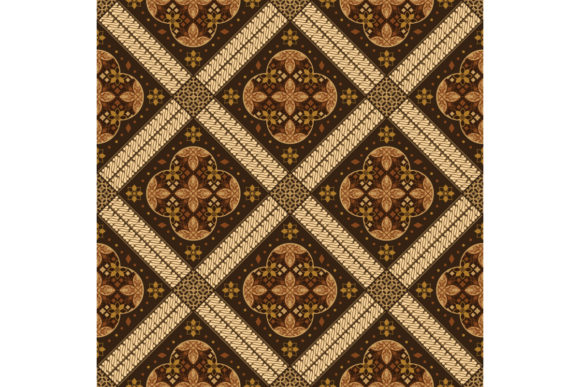
When exploring textile design or digital assets, the Simple Java Batik Floral Pattern stands out as a versatile and culturally rich choice. This specific design style captures the essence of traditional Indonesian wax-resist dyeing but adapts it for modern applications through clean lines and repetitive motifs. Unlike complex ceremonial batiks that feature dense, narrative-heavy imagery, this simplified variation focuses on aesthetic rhythm and visual balance. The brown color palette, often referred to as sogan in traditional Javanese terminology, provides a warm, earthy foundation that feels both authentic and contemporary.
The primary appeal of this collection lies in its seamless construction. For designers, crafters, and business owners, a seamless pattern eliminates the frustration of visible repeat lines. It allows the motif to flow endlessly across any surface area, whether you are printing yardage for fashion, wrapping a product, or creating a website background. The floral elements are typically stylized rather than photorealistic, honoring the abstract nature of classical batik while remaining accessible to global audiences who may not be familiar with specific cultural symbolism.
Understanding the Aesthetic and Cultural Value
To fully appreciate a Simple Java Batik Floral Pattern, it helps to understand what makes it distinct from generic floral prints. Traditional batik is defined by its method of creation using hot wax and indigo or brown dyes. While digital collections replicate this look without the wax, high-quality designs retain the organic imperfections and specific color harmonies associated with the craft. The brown tones used in these seamless collections are rarely flat; they usually mimic the depth of natural dyes, ranging from light tan to deep chocolate.
This specific aesthetic solves a common design problem: finding patterns that feel organic yet structured. Many modern florals can appear too sterile or overly chaotic. The Java batik approach sits comfortably in the middle. The geometric underlying grid of the floral arrangement provides structure, while the hand-drawn style of the petals and leaves adds warmth. For professionals and hobbyists alike, this balance makes the pattern incredibly easy to pair with solid colors, typography, and other graphic elements without competing for attention.
Practical Applications for Creators and Businesses
The utility of a seamless brown batik collection extends far beyond traditional garment making. Because the design is digitized and tileable, it serves as a powerful asset across multiple industries. Understanding where and how to apply this pattern can unlock new creative possibilities for your projects.
- Fashion and Apparel Design: This is the most direct application. The seamless nature allows for efficient fabric printing with minimal waste. The brown floral motif works exceptionally well for modest fashion, resort wear, and accessories like scarves or tote bags. The earthy tone is gender-neutral and seasonless, making it a safe yet stylish inventory choice for small clothing brands.
- Packaging and Branding: Small business owners often seek packaging that conveys artisanal quality. Using this pattern as a liner for boxes, a wrap for soap, or a background for thank-you cards instantly elevates the perceived value of a product. The brown colorway photographs beautifully and suggests sustainability and natural ingredients, which aligns well with eco-friendly branding.
- Digital Content and Web Design: Bloggers and marketers can use the pattern as a subtle texture overlay on websites or social media templates. At low opacity, it adds visual interest to plain backgrounds without reducing text readability. It is particularly effective for niches related to travel, wellness, history, or handmade goods.
- Home Decor and Textiles: For those interested in interior styling, this pattern translates well to throw pillows, table runners, and upholstery. The simple scale of the floral design prevents it from overwhelming a room, acting instead as a neutral textured element that complements wood furniture and greenery.
- Educational Resources: Educators teaching art history, cultural studies, or textile design can use these clear, simplified examples to demonstrate the principles of repetition, symmetry, and cultural adaptation without the visual complexity of court batiks.
Key Considerations Before Using the Collection
While the Simple Java Batik Floral Pattern is highly adaptable, successful implementation requires thoughtful selection. Not all seamless patterns are created equal, and understanding technical and aesthetic nuances will ensure your final result looks professional.
Check the Repeat Quality: Even if a file is labeled "seamless," always test it before committing to a large project. Zoom in to 100% and tile the image in your design software to verify that the edges match perfectly. In floral batiks, pay special attention to how stems and vines connect across the seam. A poor join breaks the illusion of continuous cloth and distracts from the beauty of the motif.
Evaluate Color Accuracy and Depth: Brown can be a difficult color to reproduce consistently across screens and printers. Ensure the collection you choose has been color-corrected for your intended output. If you are printing physically, request a swatch or do a test print first. Digital screens often display browns as warmer or more saturated than they appear on cotton or paper. Additionally, look for designs that utilize shading within the brown tones to mimic the wax-resist effect; flat brown vectors often lack the soul of true batik.
Consider Scale and Resolution: Context dictates scale. A pattern that looks perfect on a phone screen might be too small for a dress bodice or too large for a business card. Verify the DPI (dots per inch) of the digital file. For print applications, 300 DPI at actual size is the standard minimum. For digital-only use, 72 DPI is sufficient and keeps file sizes manageable for faster web loading times.
Respecting Cultural Origins in Modern Design
When utilizing cultural assets like Java batik, it is important to approach them with respect and awareness. While simplified versions are designed for broader commercial use, acknowledging the origin adds integrity to your work. Avoid marketing the pattern as "tribal" or "exotic" in a vague sense. Instead, accurately describe it as Javanese-inspired or batik-style. This specificity not only honors the tradition but also improves SEO and helps customers find exactly what they are looking for.
Furthermore, consider supporting creators who have a genuine connection to the culture or who contribute back to artisan communities. The market is flooded with AI-generated or traced imitations that lack the structural logic of real batik. Authentic designs, even when simplified digitally, follow specific rules of composition derived from centuries of practice. Choosing high-quality, respectful representations ensures your project resonates with authenticity rather than appearing as a superficial trend.
Making the Most of Earthy Floral Motifs
Ultimately, the Simple Java Batik Floral Pattern with brown color design offers a unique blend of heritage and functionality. Its strength lies in its ability to act as both a focal point and a supporting texture. Whether you are a freelancer designing a brand identity, a teacher creating visual aids, or an entrepreneur launching a sustainable product line, this seamless collection provides a reliable aesthetic foundation.
Success comes from treating the pattern as a living design element rather than a static clip-art file. Experiment with scaling, rotation, and color overlays to make it your own. Pair the warm browns with cream, sage green, or muted gold to create sophisticated palettes. By understanding the technical requirements and cultural context, you transform a simple digital asset into a meaningful component of your creative or commercial endeavor. The timeless appeal of Javanese floral aesthetics ensures that this choice remains relevant, elegant, and deeply engaging for diverse audiences.