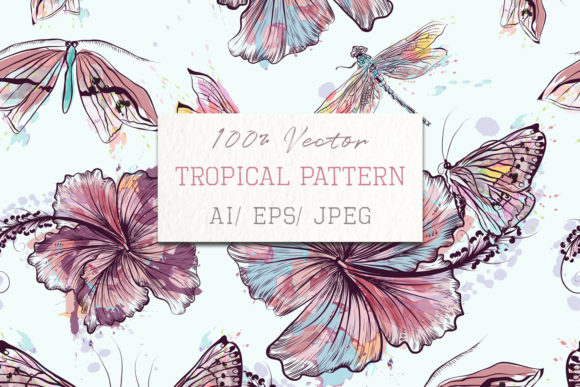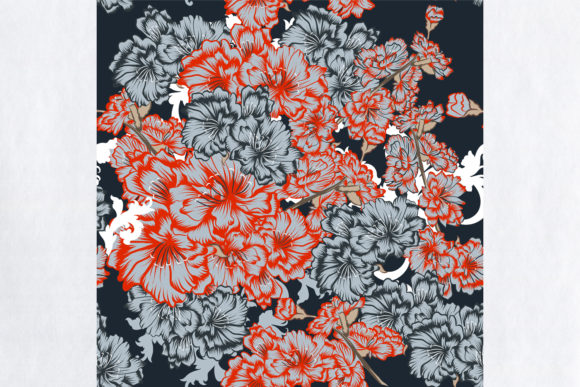
Floral Seamless Pattern for Fabrics: Vector Art
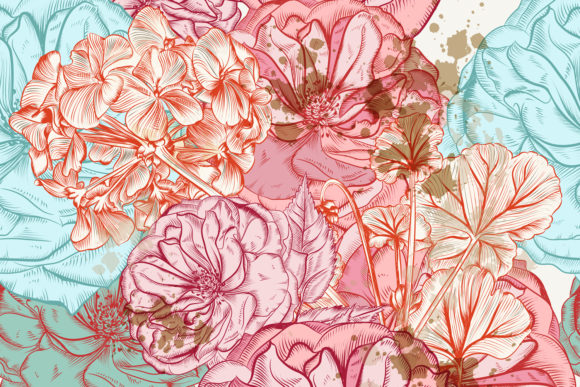
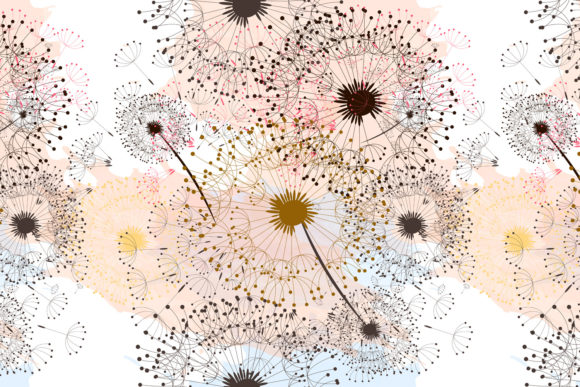
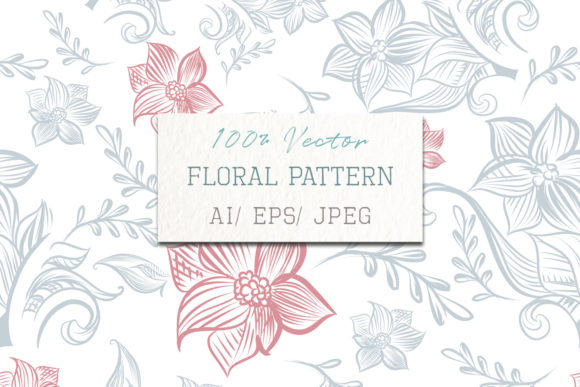
When sourcing surface design assets for textile production, the technical specifications are just as critical as the aesthetic appeal. A Floral Seamless Pattern for Fabrics serves as a foundational element in fashion and home decor, but its utility depends entirely on resolution and scalability. This collection provides 100 unique vector art designs that bridge the gap between organic, hand-drawn artistry and precise digital manufacturing. Unlike raster-based images that degrade when resized, these vectors allow you to scale motifs from delicate lingerie prints to large-scale upholstery without losing a single line weight or brush texture.
The visual character of this collection leans into the timeless appeal of botanical illustration while maintaining modern versatility. Each pattern retains the imperfections and fluidity of traditional media, avoiding the sterile look often associated with purely digital generation. For designers and small business owners, this means your final product carries the warmth of artisanal craft with the reliability required for commercial printing. Whether you are developing a spring clothing line or designing custom stationery, having access to 100 distinct variations ensures brand consistency across diverse product categories without repetitive visual fatigue.
Technical Advantages of Vector Surface Design
Understanding why vector format matters is essential for anyone involved in print production or digital merchandise. The primary deliverable includes an AiCS2 file and an EPS10 file, which are industry standards for professional printing. These formats store mathematical paths rather than pixel grids. In practical terms, this allows for infinite editing. If a manufacturer requests a color adjustment or a slight rotation of a floral element to better align with fabric grain, you can make these changes instantly without redrawing or re-scanning artwork.
Scalability is the defining feature here. A JPEG preview at 5000x5000 px is included for quick mockups and client presentations, but the true value lies in the source files. You might need a dense, small-scale repeat for silk scarves and a sparse, large-scale layout for duvet covers. With raster art, creating two different scales often requires purchasing separate assets or suffering quality loss. With this Floral Seamless Pattern for Fabrics vector set, one asset covers every possible application size. This efficiency significantly reduces overhead for entrepreneurs managing multiple SKUs.
- Infinite Resolution: Print at any DPI required by your textile mill without pixelation.
- Editability: Change individual flower colors, adjust spacing, or isolate specific motifs for logo design.
- File Size Efficiency: Vector files are typically smaller than high-res rasters, making them easier to share with manufacturers.
- Crisp Edges: Essential for screen printing and heat transfer vinyl where clean lines prevent bleeding.
Applications Across Fashion and Brand Identity
Versatility extends beyond simple resizing. These patterns function as powerful tools for establishing brand identity. In the competitive landscape of boutique fashion and independent publishing, distinctive surface design creates immediate recognition. A cohesive floral motif can tie together a clothing collection, matching packaging, and social media graphics. When used as a background texture in editorial design or web design, it adds depth and personality that solid colors cannot achieve.
For content creators and marketers, these assets solve the perpetual problem of finding royalty-free backgrounds that do not look generic. Because there are 100 unique designs, you can rotate visuals throughout a campaign season while maintaining a unified aesthetic. This is particularly valuable for seasonal marketing where freshness is key. The hand-drawn characteristics also lend themselves well to personal projects like scrapbooking or DIY crafting, where the human touch is the primary selling point. Unlike clip art that feels disconnected, these patterns integrate naturally into handmade aesthetics.
Consider the impact on packaging design. A custom-printed tissue paper or shopping bag featuring a proprietary floral pattern elevates the unboxing experience. It signals attention to detail and transforms a functional item into a branding opportunity. Since the vectors are fully editable, you can easily adapt the pattern density to fit odd-shaped packaging or create coordinating labels. This level of customization is usually reserved for large brands with in-house design teams, but accessible vector libraries democratize this capability for small businesses.
Evaluating Fit for Commercial Projects
Before integrating any Floral Seamless Pattern for Fabrics into a commercial workflow, assess the style against your target demographic. Botanical illustrations range widely from vintage Victorian to mid-century modern to contemporary minimalist. Review the 5000x5000 px JPEG previews first to gauge the overall mood. Does the line work feel too delicate for heavy canvas? Is the color palette aligned with current trends or intentionally evergreen? Testing pairings with your existing typography is crucial. A busy, intricate floral may clash with a decorative script font but provide excellent contrast against a clean sans serif typeface.
Readability and visual hierarchy matter even in surface design. If the pattern will be used behind text—such as on a book cover or website hero section—ensure there is enough negative space within the repeat. Vectors allow you to reduce opacity or remove specific elements to create breathing room for copy. This flexibility prevents the common mistake of sacrificing legibility for decoration. Always test print a swatch at actual size before committing to bulk production; screen colors rarely match physical ink perfectly, and seeing the pattern scale in real life reveals details invisible on a monitor.
Practical Guidance for Implementation
Maximizing the value of this 100-pattern collection requires strategic organization. Create a categorized library based on scale, colorway, and motif type. Tagging files by attributes like "dense," "airy," "monochrome," or "polychrome" speeds up the selection process during tight deadlines. When working with the AiCS2 or EPS10 files, save master copies before making edits. Non-destructive workflows ensure you can always return to the original artwork if a client changes direction or a new application requires the unaltered design.
Licensing is another practical consideration. Verify whether your purchase includes commercial rights for end products versus resale of the digital asset itself. Most reputable vector packs allow use on physical goods but prohibit reselling the raw files. Understanding these boundaries protects your business legally. Additionally, consider how the pattern interacts with other design assets. Does it complement your premium font choices? Can it be simplified for embroidery digitizing? Thinking through these technical constraints early prevents costly revisions later.
- Mockup First: Use the high-res JPEG to visualize placement before opening vector software.
- Color Separation: For screen printing, separate colors early in the vector file to streamline production.
- Scale Testing: Print at 100% scale to verify detail visibility and repeat alignment.
- Contextual Pairing: Test alongside your chosen display font and body copy to ensure harmony.
- Archive Masters: Keep unedited originals safe; duplicate files for project-specific modifications.
Ultimately, investing in high-quality vector florals is about securing creative freedom. The ability to manipulate scale, color, and composition without quality loss removes technical barriers between concept and execution. Whether you are a seasoned textile designer or a blogger enhancing your visual content, these assets provide a professional foundation. The hand-drawn authenticity combined with digital precision offers the best of both worlds, ensuring your projects stand out in an increasingly automated marketplace. By leveraging the full capabilities of vector art, you transform static patterns into dynamic components of a living, evolving brand identity.