Floral Ballerina Silhouette 4 Design Guide
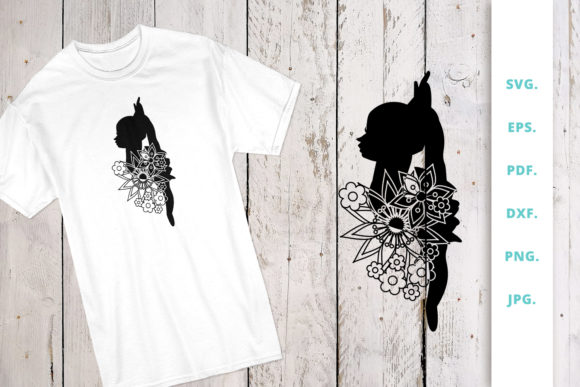
Elevating a creative project often comes down to finding that single, evocative element that bridges technical precision with emotional resonance. The Floral Ballerina Silhouette 4 serves as exactly this kind of versatile asset for designers seeking to infuse their work with a sense of grace and whimsy. This cute, sweet, and adorable floral ballerina silhouette is more than just a decorative graphic; it is a strategic visual tool perfect for card invitations, calendars, wall art, clothes, baby clothes, birthdays, nursery themes, baby showers, children’s parties, printing, scrapbooking, and various craft applications. When integrated thoughtfully into a design workflow, such assets streamline production while maintaining a high standard of aesthetic quality.
The Role of Whimsical Assets in Visual Communication
In modern graphic design, particularly within niche markets like children’s apparel or event stationery, the challenge lies in balancing playfulness with professional polish. A silhouette combines the elegance of negative space with the organic softness of floral motifs, creating a unique visual hierarchy. This duality makes it an excellent choice for brand identity projects where the goal is to communicate gentleness without sacrificing sophistication. Whether used as a primary logo mark for a boutique dance studio or as a repeating pattern element for packaging design, the form provides immediate recognition and emotional connection.
From a UX and editorial design perspective, illustrations like this serve as vital visual anchors. They break up dense typography, guide the viewer’s eye through a layout, and establish a consistent tone across different media. In web design and social media graphics, these softer visuals can improve engagement by making content feel more approachable and human-centric, which is essential for brands targeting families or celebrating milestones.
Practical Applications Across Media
The true value of this creative asset lies in its adaptability across both digital and physical touchpoints. Designers can leverage this imagery to maintain consistency in multi-channel marketing campaigns or personalized product lines. Key applications include:
- Branding and Identity: Creating memorable logos and watermarks for businesses focused on dance, childcare, or floral arrangements.
- Print Design: Enhancing birthday invitations, thank-you cards, and nursery wall art with scalable vector graphics that remain crisp at any size.
- Merchandise and Apparel: Applying clean lines to baby clothes, party favors, and textiles using formats compatible with vinyl cutters and screen printing.
- Digital Content: Adding charm to social media templates, website headers, and digital scrapbooking kits without compromising load times or visual clarity.
Technical Specifications and Workflow Integration
Professional design requires assets that are not only visually appealing but also technically robust. This resource supports a seamless workflow by providing multiple file formats tailored to specific industry needs. Understanding what is included ensures you select the right format for your current project phase:
- EPS CC File: Ideal for professional vector editing in Adobe Illustrator, allowing for infinite scalability and color customization.
- SVG File: Perfect for web design, Cricut, and Silhouette machines, ensuring crisp edges for cutting and responsive display.
- DXF File: Compatible with various CAD and cutting software for precise fabrication and crafting.
- PNG File: High-resolution raster with transparency support for quick mockups and digital overlays.
- JPEG File: High-resolution RGB image suitable for proofing and standard print layouts.
- PDF File: Vector-based document for easy viewing and high-quality printing.
Please note that mockups are included solely for presentation purposes to demonstrate potential applications and are not part of the deliverable files.
Tips for Effective Implementation
To maximize the impact of this design element, consider how it interacts with your existing color palette and typography. Pairing the intricate details of the floral silhouette with clean, modern sans-serif fonts can prevent the design from feeling overly cluttered. Conversely, combining it with classic serifs enhances a traditional, storybook aesthetic. Always test scalability early in the process; while vector formats like EPS and SVG ensure fidelity, complex details may need simplification for very small applications like clothing tags or favicons.
Ultimately, selecting high-quality creative assets is about more than just filling space on a canvas. It is about enhancing communication and ensuring that every visual choice supports the broader narrative. By utilizing professionally prepared files like the Floral Ballerina Silhouette 4, designers can achieve a polished, cohesive look that resonates with audiences and elevates the perceived value of the final product, whether it is a digital invitation or a tangible piece of nursery art.