Designing with Watercolor Floral Patterns Vol.2: A Guide to Seamless Spring Aesthetics
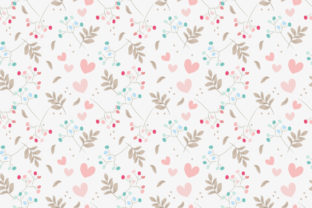
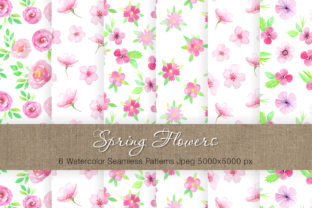
The intersection of traditional artistry and digital utility defines modern surface design, particularly when working with organic motifs. Watercolor Floral Patterns Vol.2 represents a specific niche within this intersection, offering a curated collection of six seamless designs featuring spring pink flowers, leaves, and blooms. For designers, educators, and business owners, understanding the technical and aesthetic value of such assets is crucial for creating work that feels both handcrafted and professionally polished. This collection moves beyond generic stock imagery by providing high-resolution, hand-painted textures that retain the delicate imperfections of real watercolor media while offering the infinite scalability required for commercial production.
The Technical Advantage of Seamless Tiling
The primary functional benefit of this collection lies in its seamless construction. In digital pattern design, "seamless" refers to an image where the edges match perfectly on all four sides, allowing the design to repeat infinitely without visible breaks or misalignments. When utilizing Watercolor Floral Patterns Vol.2, creators can apply these textures to surfaces of any dimension without worrying about edge artifacts or repetitive visual stuttering.
This technical characteristic is vital for several reasons:
- Scalability Across Media: Whether designing a small business card or a large-format event backdrop, the 5000x5000px resolution ensures crisp detail at various scales. The seamless nature means the file does not need to be stretched or distorted to fit odd aspect ratios.
- Workflow Efficiency: Designers can use pattern fill tools in software like Adobe Photoshop, Illustrator, or Procreate to instantly cover canvases. This eliminates the manual labor of cloning stamps or aligning layers, significantly reducing production time for deadline-driven projects.
- Consistency in Branding: For businesses using these patterns across multiple touchpoints (web, print, packaging), seamless tiling guarantees that the floral motif remains consistent regardless of the container size, reinforcing brand recognition through uniform texture.
Resolution and Print Readiness
Each JPEG file in this set measures 5000x5000 pixels. To put this in practical perspective, this resolution supports high-quality printing at approximately 16.6 inches square at 300 DPI (dots per inch), which is the industry standard for professional offset and digital printing. For web applications, where screens typically display at 72 to 96 PPI, this resolution provides ample headroom for retina displays and zooming capabilities without pixelation. Maintaining this level of fidelity is essential when translating the subtle gradients of hand-painted spring flowers into physical products like wrapping paper or fabric.
Aesthetic Characteristics of Hand-Painted Spring Motifs
Digital generation often results in sterile, overly perfect vectors. In contrast, the hand-painted origin of Watercolor Floral Patterns Vol.2 introduces organic variability that resonates emotionally with viewers. The specific focus on spring pink flowers and delicate blooms taps into established color psychology associated with renewal, softness, and celebration.
The artistic value extends beyond mere color. Watercolor as a medium relies on transparency and fluid dynamics. These patterns capture the bleeding of pigment into paper grain, the variation in brush pressure, and the natural pooling of water. These micro-details create depth that flat digital illustrations cannot replicate. When used as a background, this texture prevents the design from feeling empty or static; instead, it provides a rich, tactile foundation that elevates foreground elements like typography or photography.
Color Theory and Seasonal Relevance
The palette featured in this volume—primarily pinks, greens, and soft botanical tones—is strategically versatile. Pink, in the context of spring florals, ranges from pale blush to vibrant rose, allowing for diverse emotional tonalities. Pale tones suggest elegance and are ideal for wedding stationery or luxury skincare packaging, while saturated hues convey energy suitable for party decorations or retail sales banners. The inclusion of green foliage acts as a neutral grounding element, balancing the warmth of the florals and ensuring the pattern does not overwhelm text overlays.
Practical Applications Across Industries
The versatility of seamless floral textures makes them applicable across a wide spectrum of professional and personal projects. Understanding how to leverage Watercolor Floral Patterns Vol.2 in different contexts maximizes the return on investment for creators and businesses.
Event Design and Stationery
Weddings and spring parties rely heavily on cohesive visual themes. These patterns serve as excellent foundational layers for:
- Invitation Suites: Used as envelope liners or invitation backsides to add luxury without increasing printing costs associated with specialty papers.
- Event Signage: Large-format welcome signs or seating charts benefit from the high resolution, ensuring the floral details remain sharp even when viewed from a distance.
- Table Settings: Custom-printed napkins, table runners, or place cards created with these patterns unify the dining experience with the overall event branding.
Digital Content and Web Design
In the digital realm, unique backgrounds differentiate brands from competitors using default white or solid-color layouts. Bloggers and web designers can utilize these seamless patterns as CSS background images. Because the files are optimized JPEGs, they load efficiently while providing visual interest. They are particularly effective in hero sections, sidebar widgets, or as subtle overlays behind readable content, provided the opacity is adjusted to maintain accessibility standards for text contrast.
Product Packaging and Retail
For small business owners and artisans, packaging is a critical marketing tool. Watercolor Floral Patterns Vol.2 can be applied to custom tissue paper, shopping bags, and product boxes. The hand-painted aesthetic signals care and craftsmanship, aligning well with handmade goods, organic cosmetics, or boutique apparel. Unlike mass-produced generic prints, these specific spring blooms offer a distinct visual identity that enhances the unboxing experience and encourages social media sharing by customers.
Educational and Creative Resources
Educators and homeschooling parents often require visually engaging materials that are age-appropriate and aesthetically pleasing. These floral patterns can transform standard worksheets, certificates, or classroom decor into inviting learning environments. Similarly, scrapbookers and journal enthusiasts use digital patterns printed at home to create custom ephemera, combining the convenience of digital assets with the tactile satisfaction of traditional crafting.
Implementation Best Practices and Considerations
To achieve professional results with Watercolor Floral Patterns Vol.2, users should adhere to specific technical and design guidelines. While the assets are high-quality, their effectiveness depends on proper implementation.
Managing File Size and Performance
At 5000x5000px, these JPEG files are substantial. For web use, it is imperative to optimize the images before deployment. Tools like TinyPNG or Adobe’s "Save for Web" function can reduce file size by 60-80% without perceptible quality loss. Always serve appropriately sized images; do not force a browser to downscale a 5000px image for a 300px thumbnail. For print, retain the original full-resolution files to ensure color accuracy and sharpness.
Color Management for Print
Watercolor colors on screen (RGB) often appear more vibrant than they do in print (CMYK). Before sending projects to a professional printer, convert the color profile or request a physical proof. The delicate pinks and greens in spring floral patterns can sometimes shift toward magenta or olive in CMYK conversion. Understanding your printer’s color gamut ensures the final product matches the digital preview.
Layering and Opacity Control
Because these patterns are rich in detail, they can compete with foreground content. Professional designers rarely use such patterns at 100% opacity when placing text over them. Utilize blending modes (such as Multiply, Overlay, or Soft Light) or reduce opacity to 10-30% to create a subtle texture that enhances rather than distracts. This approach maintains readability while still conveying the organic, hand-painted warmth of the original artwork.
Licensing and Usage Rights
Always verify the specific license terms associated with Watercolor Floral Patterns Vol.2. Digital asset licenses vary significantly regarding commercial use, redistribution, and modification. Some licenses permit use in end-products for sale (like printed notebooks) but prohibit reselling the digital pattern itself or using it in print-on-demand services without significant alteration. Clarifying these boundaries protects creators from legal issues and respects the intellectual property of the original artist. If questions arise regarding permissible uses, contacting the creator directly is the most reliable method for ensuring compliance.
The Value of Curated Botanical Assets
In an era of AI-generated imagery and endless stock libraries, curated collections like Watercolor Floral Patterns Vol.2 offer a distinct advantage: intentionality. Each of the six patterns has been selected to work cohesively as a set while standing alone as individual designs. This curation saves designers hours of sifting through inconsistent assets. The focus on spring pink flowers and delicate blooms addresses a perennial demand in the design market for fresh, optimistic visuals that transcend fleeting trends.
Whether for a professional rebrand, a personal creative project, or an educational resource, these seamless patterns provide a bridge between the organic beauty of traditional watercolor and the precision of modern digital design. By understanding the technical specifications, aesthetic qualities, and practical applications outlined above, users can fully leverage these assets to create work that is not only visually stunning but also functionally robust and commercially viable. The enduring appeal of hand-painted florals lies in their ability to humanize digital spaces, making every project feel touched by hand and rooted in nature.